Your online textbook for learning reliability and six sigma techniques — made for Cornell University course SYSEN 5300. Every chapter pairs the textbook with a hands-on Visualizer and a code Playground, in both R and Python. New here? ▶ Start with Part 1, or browse the 📖 Table of Contents.
Two tracks, one concept
Most chapters come in a matched pair: an R version and a Python version that teach the same concept. Pick whichever language you're learning — a chapter's navbar has an R ⇄ Py switch to jump to the other track at any time, and both share the same interactive Visualizer (it just emits code in the page's language). A few chapters (appendices, some deep-dives) exist in a single track. Below, a paired chapter shows both an R and a Py badge; a single-track chapter shows just one.
About this book

This comprehensive textbook provides hands-on training in System Reliability and Six Sigma techniques using R and Python. Designed specifically for Cornell University's SYSEN 5300 course, this book bridges the gap between statistical theory concepts and practical coding implementation of these advanced statistical techniques.
Learning approach
Each chapter combines theoretical foundations with clear explanations, hands-on coding workshops in both R and Python, case studies from manufacturing, healthcare, and service industries, interactive exercises with immediate feedback, and visual learning through plots, diagrams, and flowcharts.
Prerequisites
- No coding background required — we start from zero in R and Python
- No prior statistics required — we assume no background and move quickly
- Access to RStudio or Posit Cloud (recommended)
How to use this book
- Start with the basics — begin with Part 1 for fundamental R and Python programming skills
- Follow the sequence — each chapter builds on previous concepts
- Find the code — the code for each chapter lives in the
code/andworkshops/folders at github.com/timothyfraser/sigma - Practice actively — run all code examples and complete exercises
- Use both languages — compare R and Python implementations to deepen understanding
- Apply to your field — adapt examples to your specific industry or research area
About the author
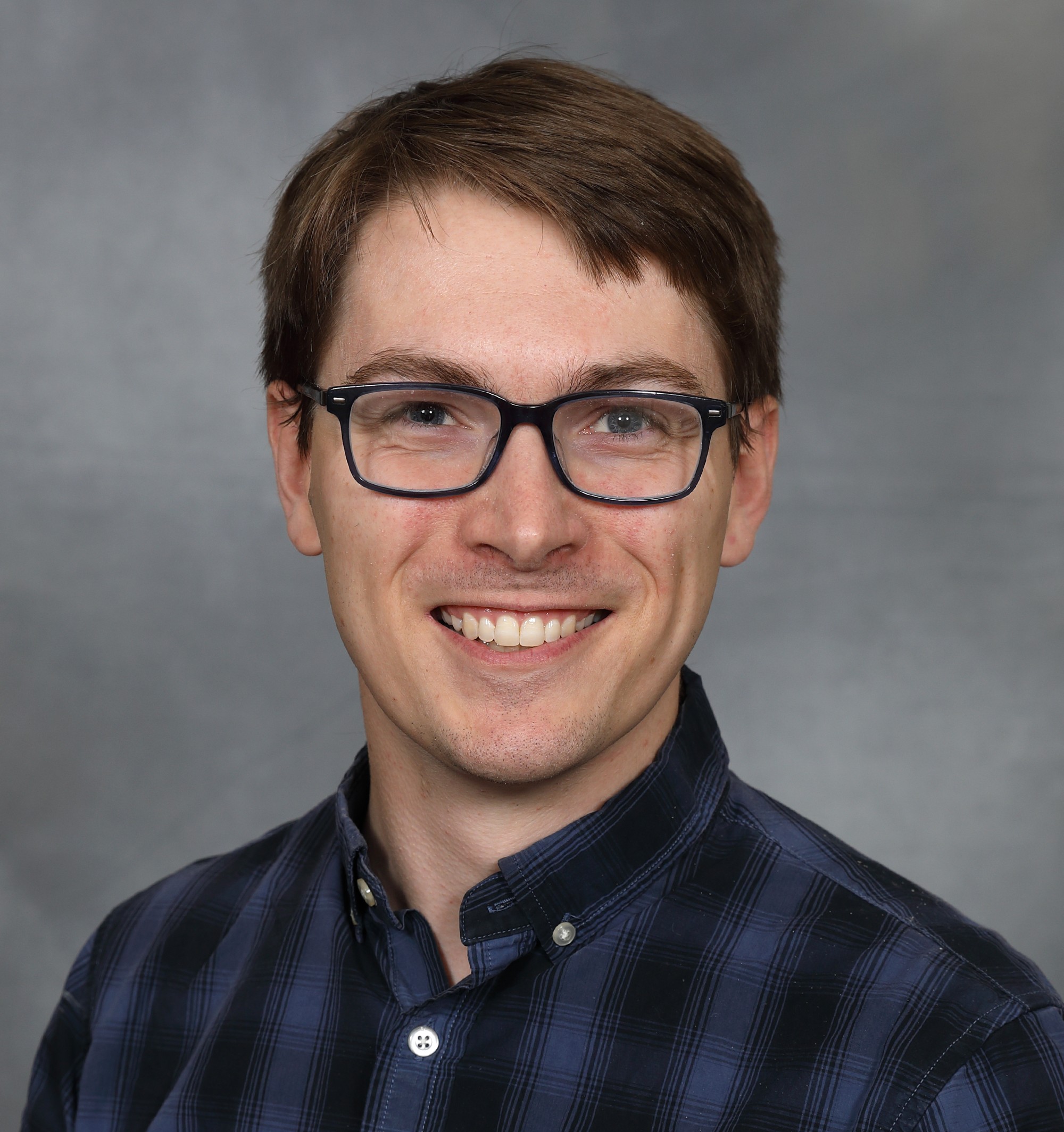
Dr. Timothy (Tim) Fraser is an Assistant Teaching Professor in the Systems Engineering Program at Cornell University, where he has been teaching since 2022. He also serves as Coordinator for the Center for Transportation, Environment, and Community Health (CTECH).
As a computational social scientist, Dr. Fraser develops methods, systems, and software to help communities combat environmental crises. His research spans urban resilience and environmental systems in the US and Japan, with 51 peer-reviewed publications, plus numerous dashboards, R packages, and software tools. He earned his PhD from Northeastern University in 2022. Contact: www.timothyfraser.com
Acknowledgments
Special thanks to the students of Cornell's Systems Engineering Program for their invaluable feedback, testing, and suggestions that helped refine this textbook. Your engagement and questions have made this resource more effective and user-friendly. Happy learning! 🚀